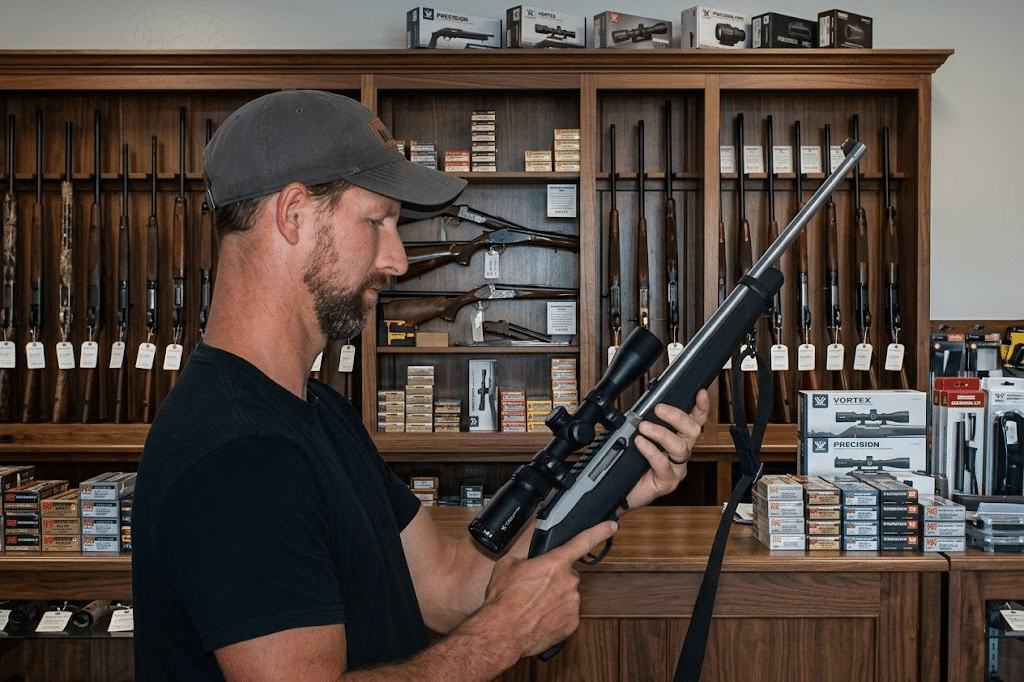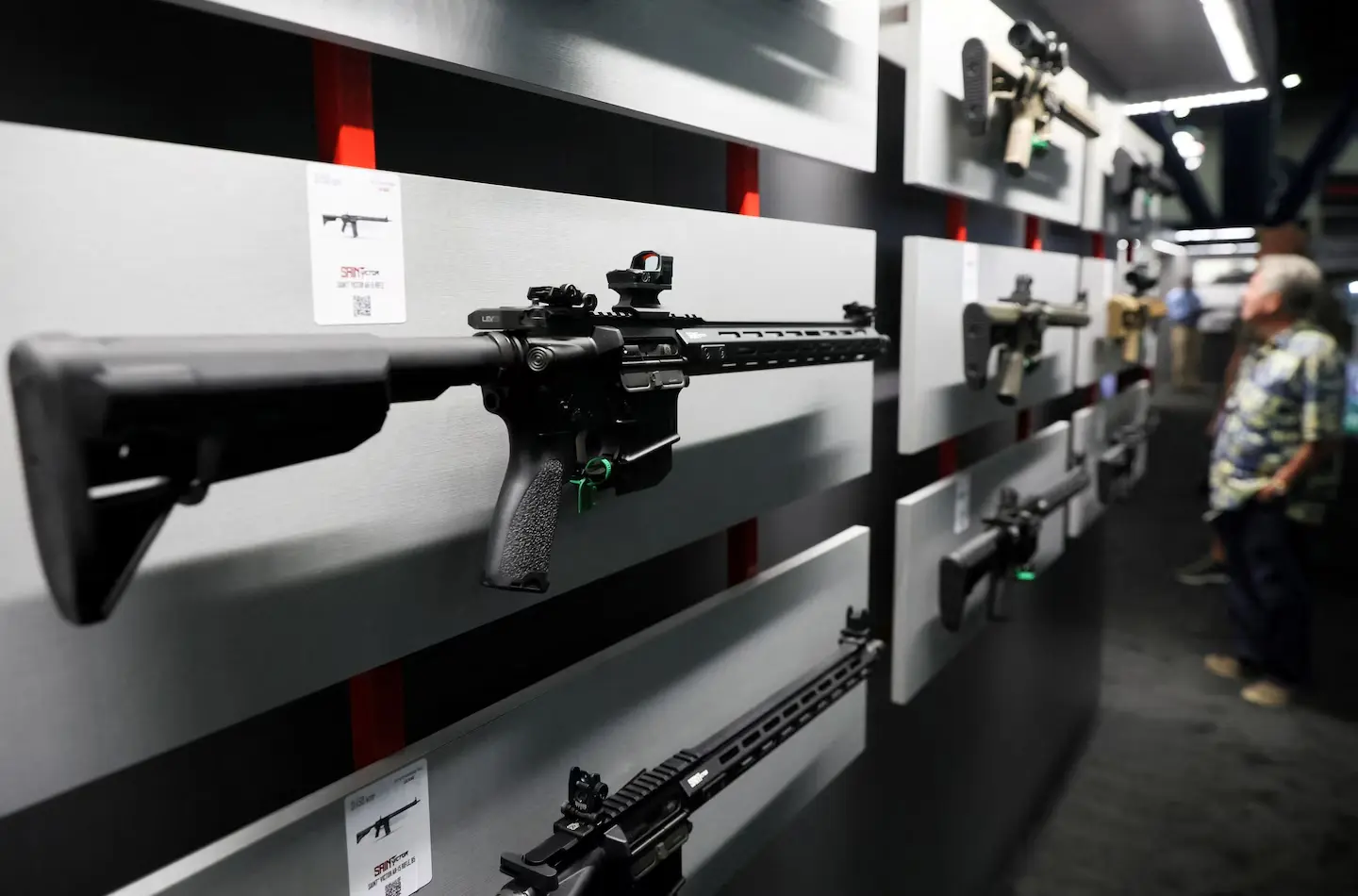

Most gun stores don’t start searching for a new point-of-sale system because something has failed outright. They start looking because their operation has grown more complex. Retail transactions increase, distributor pricing changes faster, online sales become necessary, and compliance requirements remain unforgiving. Over time, a basic or legacy POS begins to slow the business down instead of supporting it.
That’s where an advanced system makes a meaningful difference.
An Advanced FFL Point of Sale is designed to bring retail transactions, compliance, distributor connector, and ecommerce into a single operating system. Instead of managing multiple tools and manual steps, dealers operate from one connected platform that handles critical processes automatically — reducing friction, lowering risk, and creating consistency across the business.
For gun stores considering an upgrade, understanding what truly separates an advanced system from a standard POS is essential.

Compliance Built Into the Sale — Not Added After
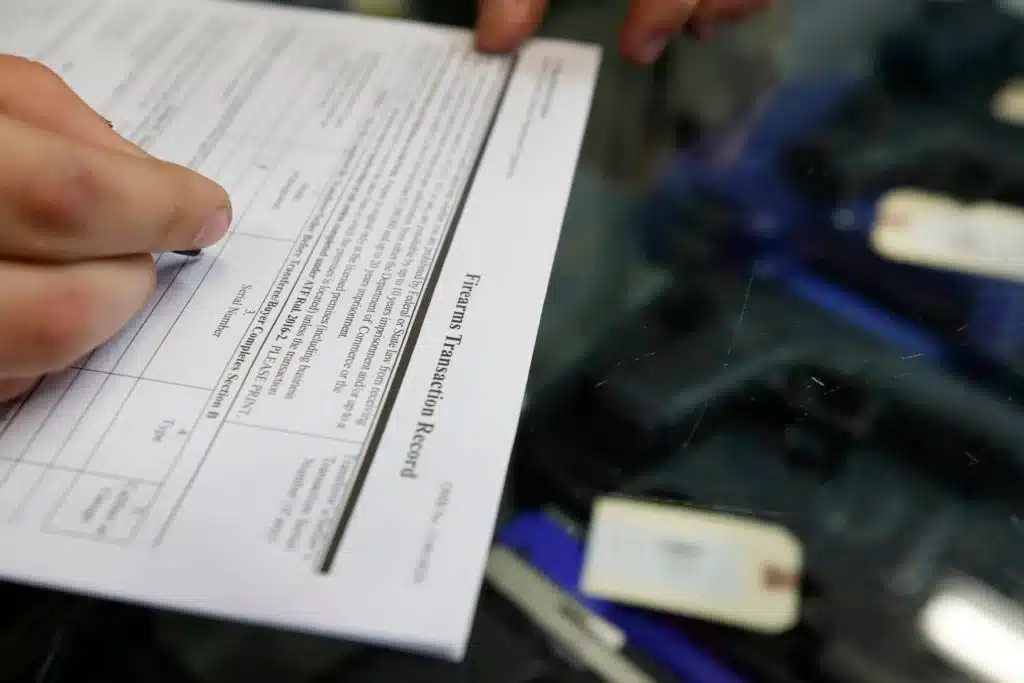
In many gun stores, the retail transaction ends at checkout — but compliance work continues afterward. Staff may still need to ensure records are entered correctly, update the bound book, and verify that 4473 paperwork is complete and stored properly.
An Advanced Gun Store Point of Sale eliminates that gap.
With systems like Rapid Gun Systems, compliance workflows are embedded directly into the firearm transaction. The electronic 4473 process is built in, initiated automatically during the sale, and securely stored once signed. At the same time, the system records the firearm disposition in the bound book on the backend — without requiring staff to manually track or re-enter records.
This approach matters because ATF inspection data consistently shows recordkeeping errors among the most common violations cited during FFL compliance inspections (ATF Firearms Compliance Inspection Summaries). Automating these steps significantly reduces the risk of human error.
“After switching systems, compliance stopped being a daily concern. It just happens.”
— FFL Owner, Midwest
Bound Book Accuracy Without Manual Oversight
The bound book is one of the most critical compliance records an FFL maintains — yet many systems still rely on users to remember to update it.
A Modern Gun Store treats the bound book as a backend function, not an active task. When a firearm is sold, the system automatically updates the bound book, time-stamps the entry, and keeps serialized inventory reconciled in real time.
According to ATF guidance, bound book records must be accurate and current at all times — not reconstructed later. Automated updates help ensure records remain inspection-ready without last-minute corrections.
Distributor Connector Powered by Live Inventory Feeds
Distributor connector is how gun stores source inventory, but in many operations it remains manual. Logging into multiple distributor portals, copying SKUs, adjusting pricing, and tracking availability consumes time and introduces mistakes.
An Advanced FFL Point of Sale connects directly to distributor inventory feeds. Pricing and quantity update automatically based on real-time distributor data, removing the need for constant manual adjustments.
This capability is increasingly important because distributor pricing and availability can change daily, especially during high-demand cycles. NSSF retail guidance notes that accurate pricing and inventory visibility directly influence conversion rates and customer trust.
“We no longer worry about outdated prices or stock levels. What’s in the system is current.”
— Inventory Buyer, High-Volume Gun Store
Ecommerce and In-Store Sales Managed as One System
As ecommerce becomes a standard expectation, disconnected systems create risk. Overselling — particularly serialized firearms — leads to customer frustration and operational complications.
An advanced point of sale acts as the central system of record between ecommerce platforms and the retail counter. When an online order is placed, the POS immediately updates inventory, reserves the firearm, and processes the order through the same workflow used for in-store sales.
This unified approach matters. According to Bizowei, research, retailers using integrated POS and ecommerce systems experience fewer fulfillment errors and higher customer confidence than those operating disconnected platforms.
Why Gun Stores Decide to Upgrade
Most dealers begin searching for an Advanced FFL Point of Sale when the same issues surface repeatedly:
- Manual compliance steps after firearm sales
- Bound book entries dependent on memory or checklists
- Constant distributor pricing updates
- Inventory conflicts between online and in-store sales
An advanced system doesn’t just replace a cash register — it replaces disconnected processes with one cohesive operating system.
“Once everything was connected — sales, compliance, distributors, and ecommerce — the business finally felt under control.”
— Multi-Location FFL Operator
What to Confirm Before Switching POS Providers
Before upgrading, gun stores should confirm their next system:
- Automates electronic 4473s and bound book entries
- Uses live distributor inventory feeds
- Integrates directly with ecommerce platforms
- Is purpose-built for FFL operations
Advanced FFL Point of Sale : One Operating System, Fewer Risks
An Gun Store POS isn’t about adding technology — it’s about removing manual responsibility.
When retail transactions, compliance, distributor data, and ecommerce all operate within one system, gun stores gain consistency, accuracy, and confidence without constant oversight.
That’s the advantage of a truly Modern Point of Sale — and why many dealers choose solutions like Rapid Gun Systems when it’s time to upgrade.

???? Learn more at www.RapidGunSystems.com
and see how an advanced gun store point of sale can unify compliance, inventory, and ecommerce — all in one system.